Skip to content Skip to footer

SOFT DRINKS

The beverage industry encompasses a wide variety of products: water, juices, sodas, syrups, energy drinks, infusions, spirits, etc. All require precise thermal processes to ensure quality, stability, and food safety. In an environment of increasing competitiveness, energy performance and equipment flexibility have become strategic.

The beverage industry encompasses a wide variety of products: water, juices, sodas, syrups, energy drinks, infusions, spirits, etc. All require precise thermal processes to ensure quality, stability, and food safety. In an environment of increasing competitiveness, energy performance and equipment flexibility have become strategic.

SOFT DRINKS

The main challenges in this sector

SOFT DRINKS

The main challenges in this sector

Strict thermal control at every stage

From pasteurization and syrup heating to final cooling before bottling, temperature precision is essential to preserve taste, aroma, carbonation, and texture. PHEs allow for tight control of heat exchange with minimal temperature deviation.

Impeccable hygiene

The beverage environment demands strict sanitary conditions. thermowave PHEs are fully CIP compatible, with hygienic gaskets and plate designs that eliminate dead zones and ensure reliable food safety.

Treatment of various fluids

Whether processing clear carbonated drinks, thick syrups, pulpy juices, or infusion-based beverages, our PHEs can be configured with suitable plate patterns and channel gaps to accommodate viscosity and solid content.

Energy efficiency & sustainability

Plate heat exchangers are ideal for hot water or steam recovery, minimizing thermal losses and reducing energy and utility consumption, helping producers remain competitive and environmentally responsible.

Icon
0 to 4 CIP
are performed per day
Icon
0 to 6 liters
of water required to produce 1 liter of beverage
Icon
0 to 95°C
is the standard pasteurization temperature depending on the product

Our involvement in the sector

Nexson offers compact, hygienic, and robust heat exchangers, specifically designed to meet the requirements of beverage production, whether in large food industry groups or artisanal units.

SOFT DRINKS

Cooling performance and hygiene in every drop

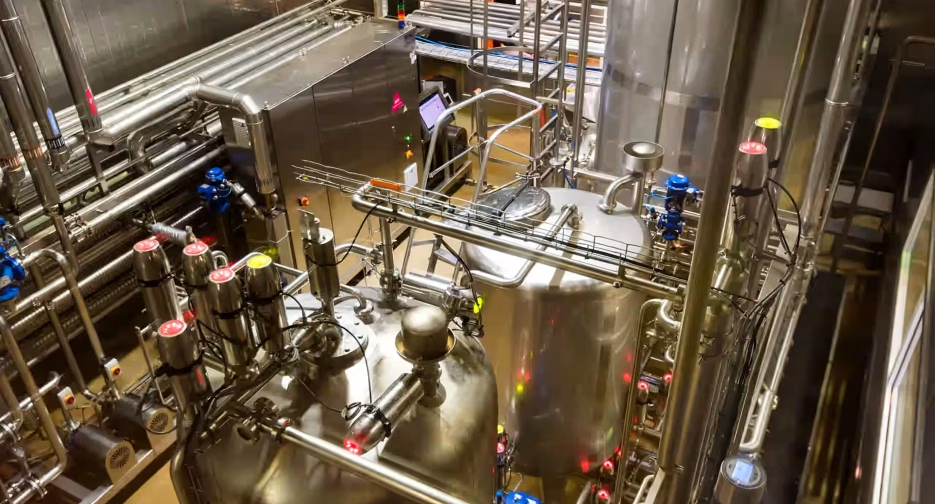
View of reservoires and soft drinks factory interior

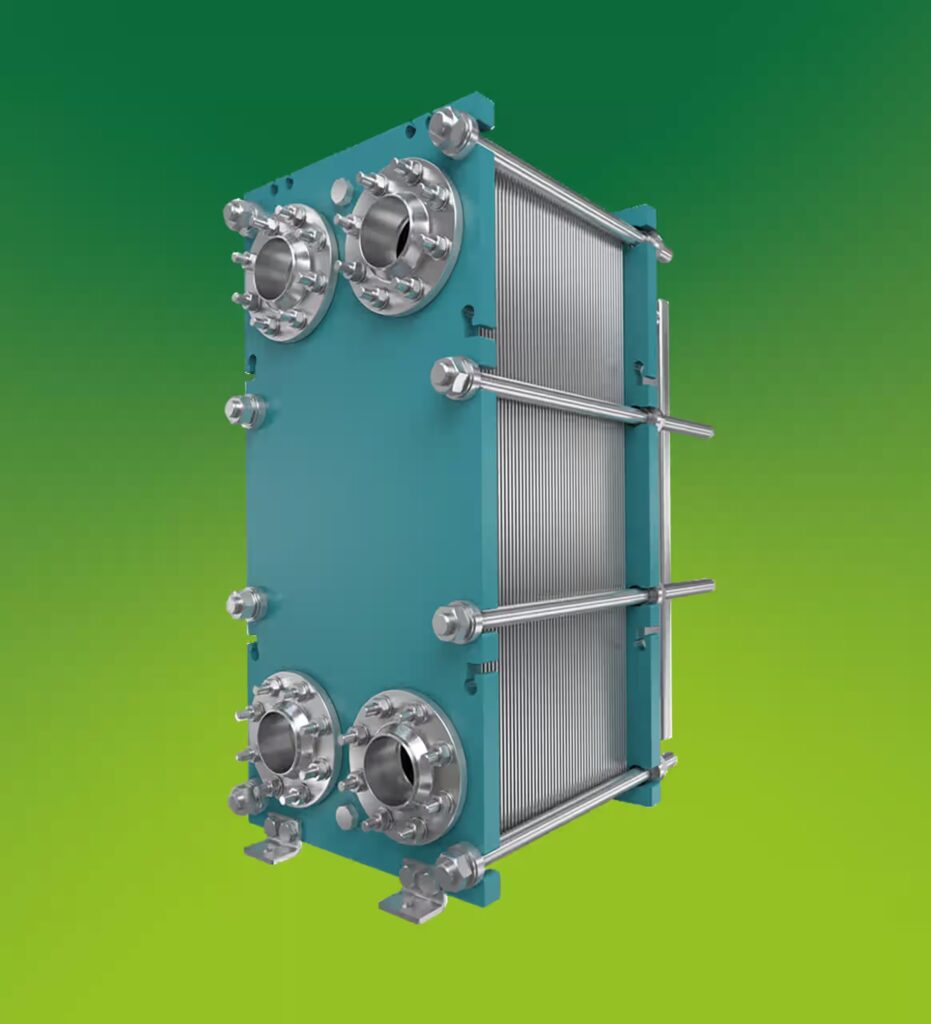
thermowave plate heat exchangers

thermowave PHEs are used in juice pasteurization, syrup heating, product cooling, and CIP loops. Their modular design allows easy configuration and expansion. The gaskets and plates are designed for fast maintenance and quick adaptation to different recipes or fluid types, perfect for multi-product beverage lines.

Hygienic design & quick cleaning

Constructed from 304L or 316L stainless steel, Thermowave exchangers feature food-grade EPDM or NBR gaskets, polished plates, and optimized flow patterns to ensure efficient cleaning, no contamination risks, and quick turnaround times between batches. Built to meet the highest hygiene standards, these exchangers are 100% CIP (Clean In Place) compatible.

Compact & economical

Thanks to their small footprint and high thermal efficiency, these heat exchangers help reduce the overall energy footprint of the process. They require less water and steam for the same output, offering both environmental and cost-saving benefits.​

SOFT DRINKS

Cooling performance and hygiene in every drop

View of reservoires and soft drinks factory interior

thermowave plate heat exchangers

thermowave PHEs are used in juice pasteurization, syrup heating, product cooling, and CIP loops. Their modular design allows easy configuration and expansion. The gaskets and plates are designed for fast maintenance and quick adaptation to different recipes or fluid types, perfect for multi-product beverage lines.

Hygienic design & quick cleaning

Constructed from 304L or 316L stainless steel, Thermowave exchangers feature food-grade EPDM or NBR gaskets, polished plates, and optimized flow patterns to ensure efficient cleaning, no contamination risks, and quick turnaround times between batches. Built to meet the highest hygiene standards, these exchangers are 100% CIP (Clean In Place) compatible.

Compact & economical

Thanks to their small footprint and high thermal efficiency, these heat exchangers help reduce the overall energy footprint of the process. They require less water and steam for the same output, offering both environmental and cost-saving benefits.​