Skip to content Skip to footer

STEEL

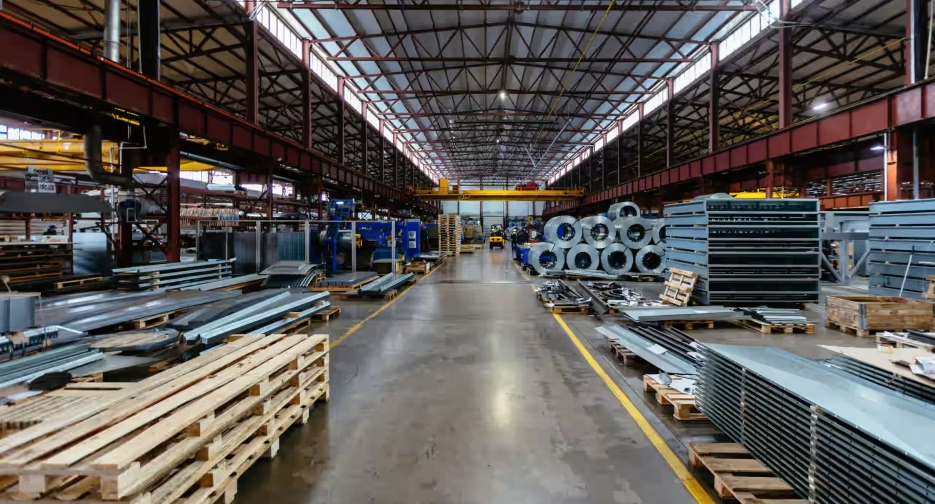
Steelmaking processes require massive thermal energy and involve dusty, high-temperature, and chemically aggressive environments. From blast furnaces to acid pickling and cooling systems, heat exchange solutions must deliver efficiency, robustness, and resilience in 24/7 operations.

Steelmaking processes require massive thermal energy and involve dusty, high-temperature, and chemically aggressive environments. From blast furnaces to acid pickling and cooling systems, heat exchange solutions must deliver efficiency, robustness, and resilience in 24/7 operations.

STEEL

The main challenges in this sector

STEEL

The main challenges in this sector

High-temperature thermal loads

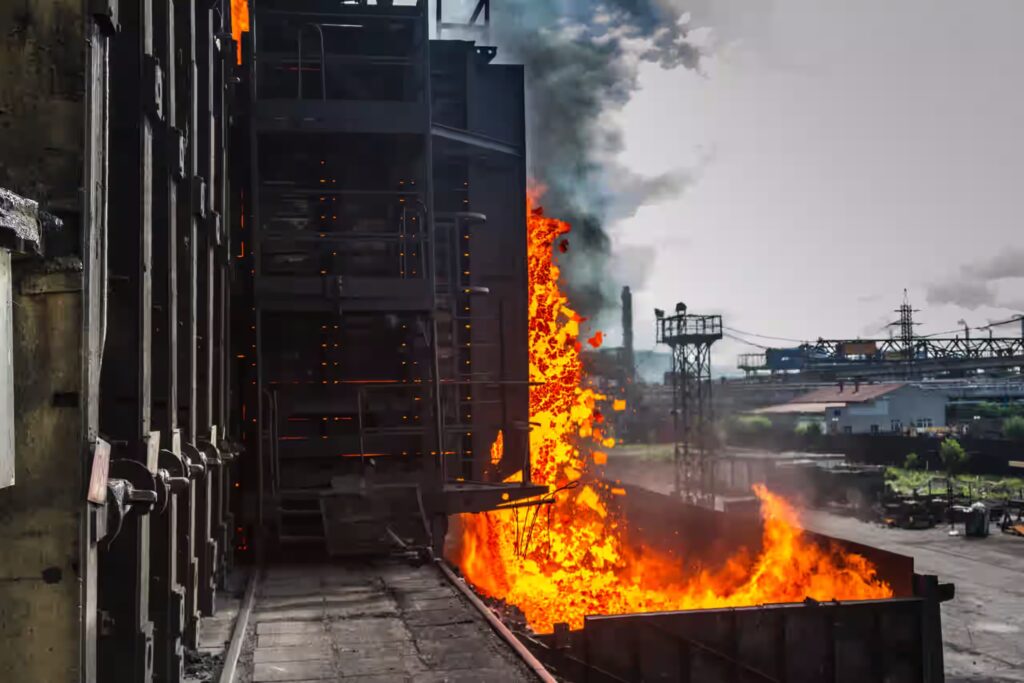
Steel processing involves extreme temperatures, particularly in coke ovens, hot rolling, and cooling gas circuits, requiring equipment that withstands severe thermal stress.

Presence of dust, scale, and fouling

Process gases and cooling waters often carry particulates that can rapidly foul or clog traditional heat exchangers, reducing efficiency and increasing maintenance.

Corrosive media in auxiliary processes

Pickling acids, wastewater, and gas cleaning chemicals expose equipment to corrosive environments that demand resistant materials and secure construction.

Continuous production with no room for failure

Steel plants operate continuously with minimal downtime. Thermal systems must perform reliably under heavy loads to avoid process disruptions.

Icon
0%
of waste heat recovered from tailings and exhaust gas streams
Icon
0%
energy savings in solvent extraction circuits
Icon
0%
downtime reduction compared to gasketed exchangers in slurry applications

Our involvement in the sector

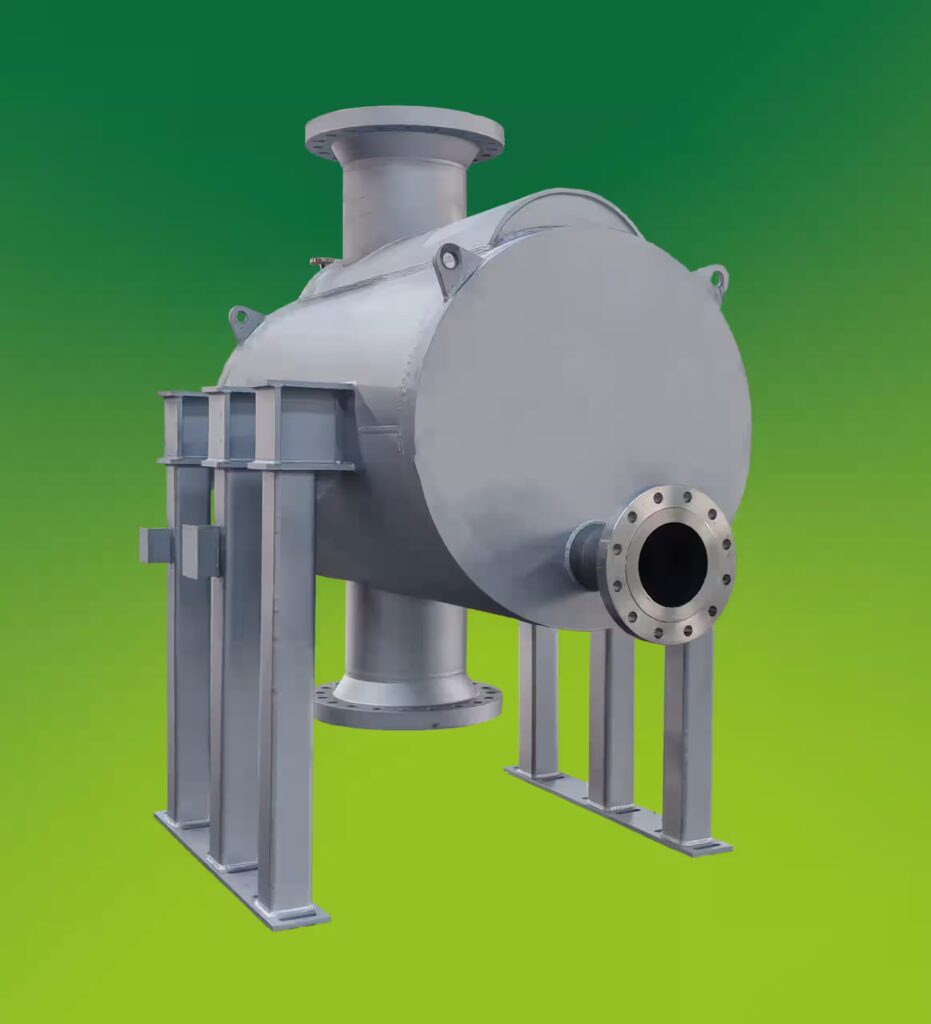
Nexson designs and supplies rugged, efficient thermal systems for steel manufacturing. Our heat exchangers help recover energy, cool process streams, and handle aggressive media with minimal downtime.

STEEL

Delivering thermal efficiency in the heart of steel production

STEEL V2

Built to withstand high temperatures and thermal stress

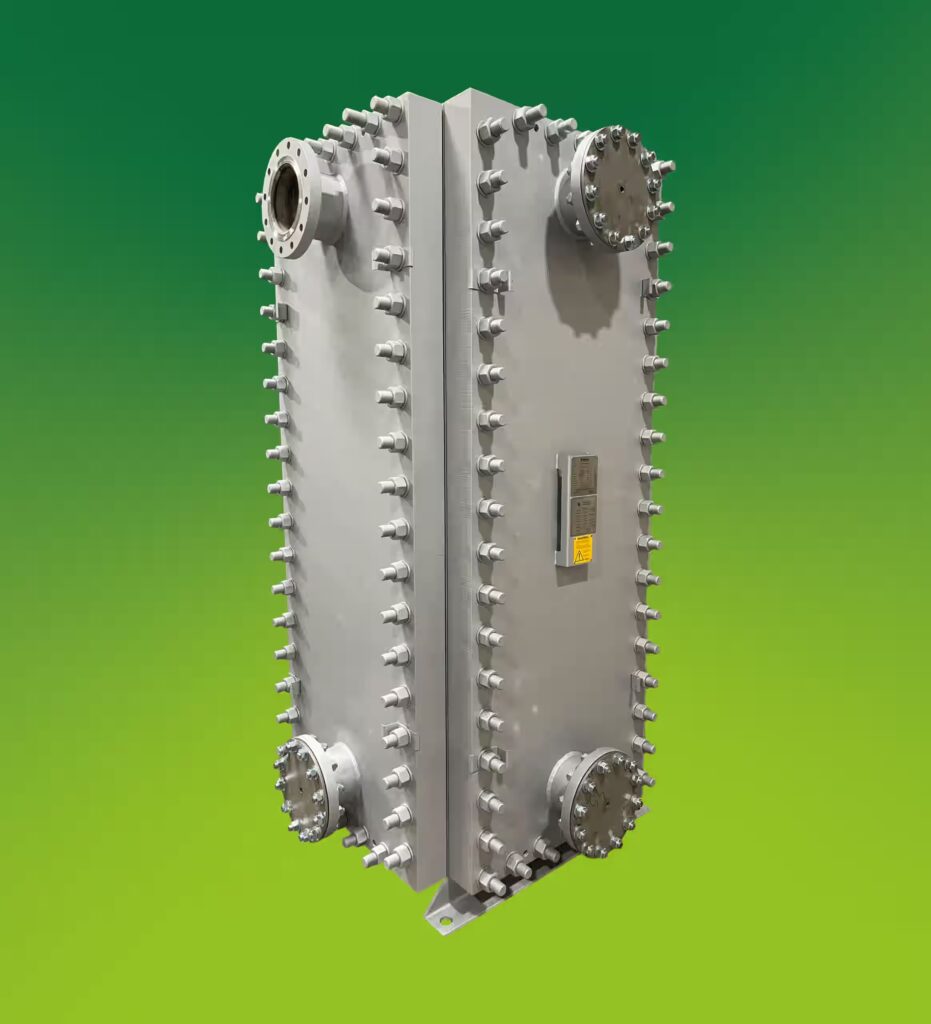
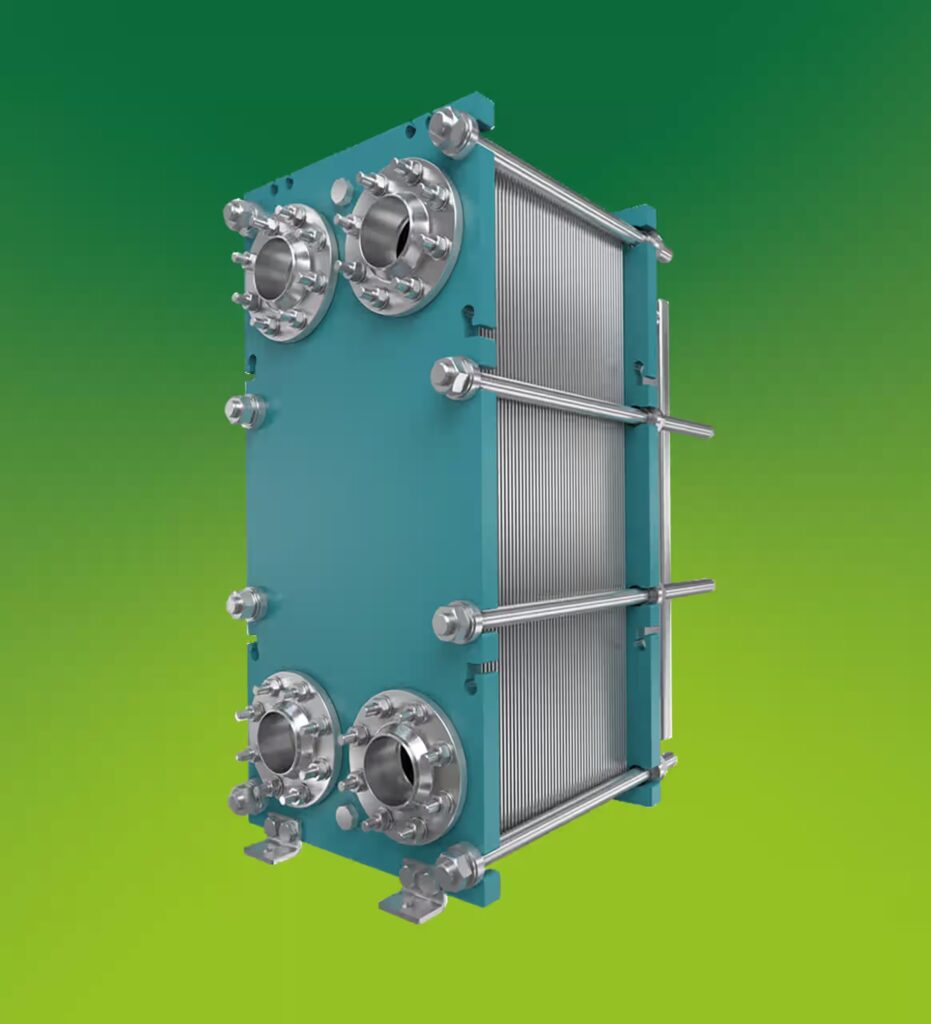
Nexson heat exchangers are engineered to handle the extreme heat of steel production. Their welded construction eliminates weak points, while compact flow channels manage high thermal loads without risk of deformation or fatigue.

Anti-fouling design for dust and scale resistance

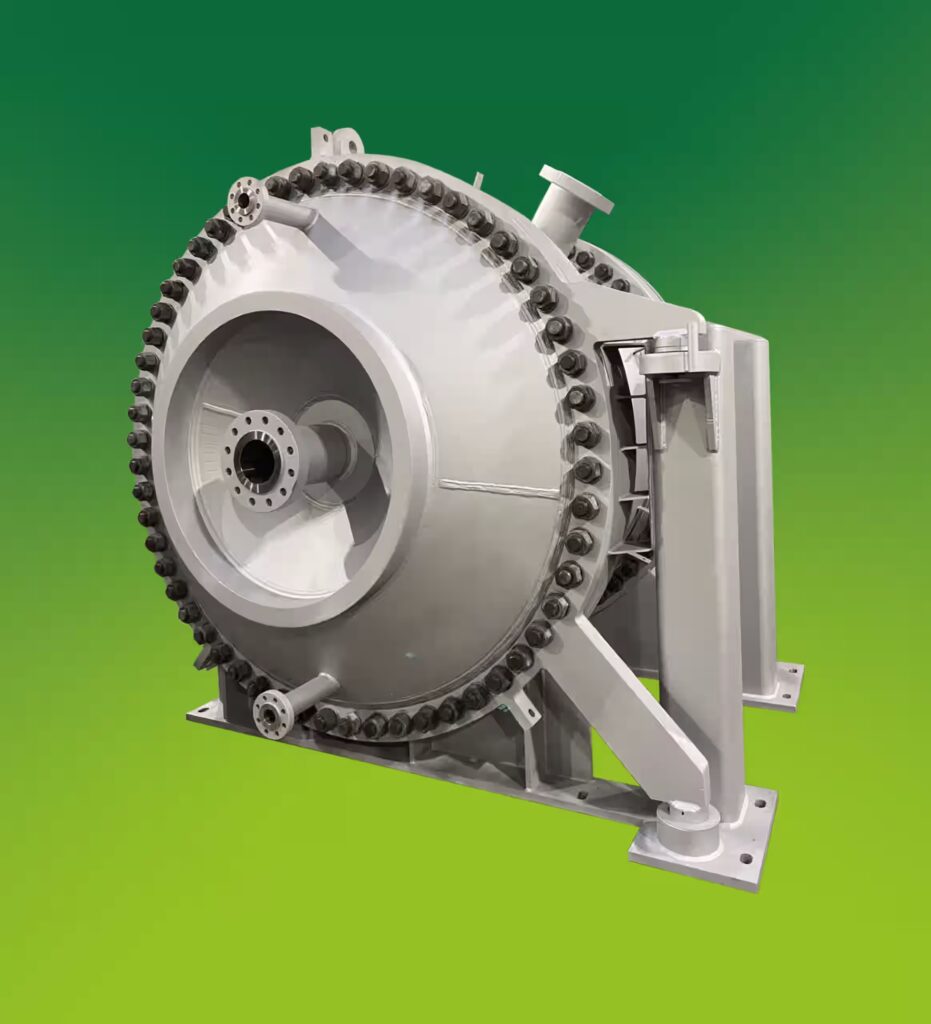
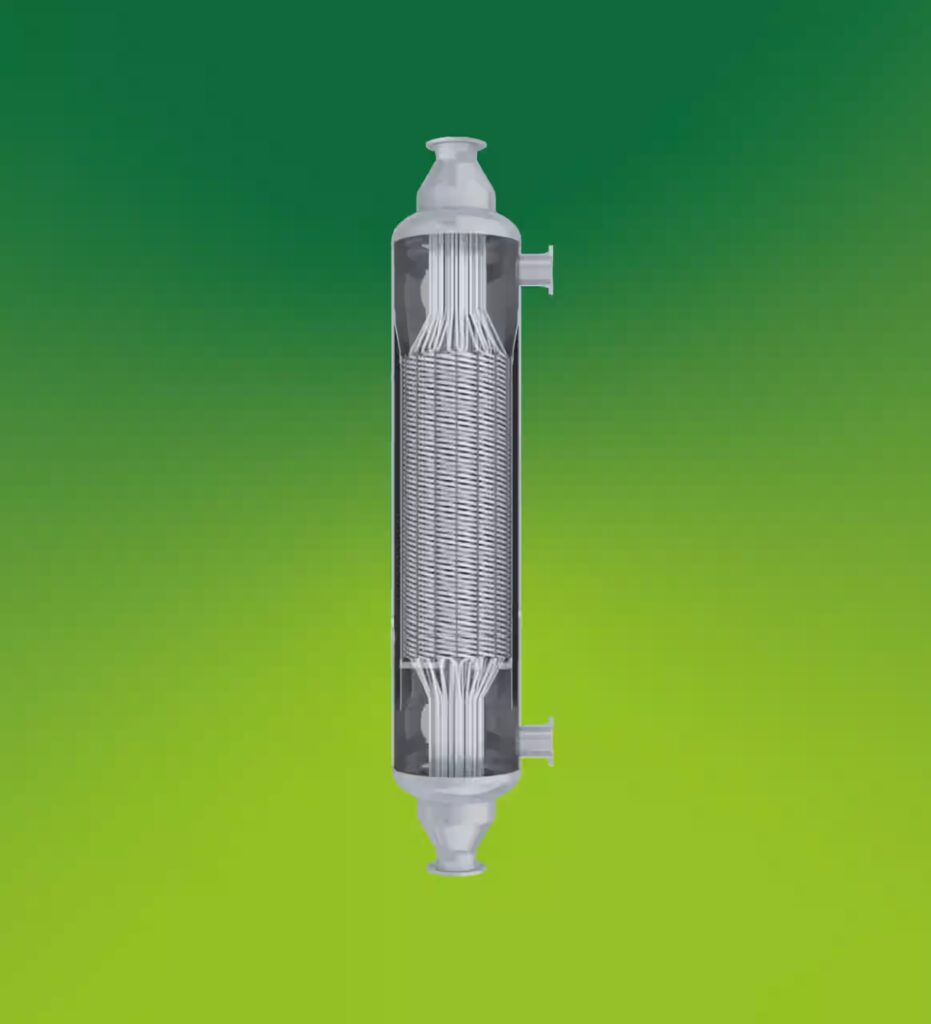
Thanks to their spiral geometry and self-cleaning flow paths, Nexson exchangers minimize fouling caused by scale, slag particles, or airborne dust. This ensures longer service intervals and sustained thermal performance.

Adapted to acidic and corrosive environments

From acid pickling to gas scrubbing, Nexson exchangers are built in duplex stainless steel, titanium, and other alloys to ensure long-term resistance to corrosion from harsh media.

Ready for continuous industrial duty

Steel mills demand uninterrupted production. Nexson solutions are designed for 24/7 operation with minimal maintenance, making them a trusted part of the thermal infrastructure in heavy industry.

STEEL

Delivering thermal efficiency in the heart of steel production

STEEL V2

Built to withstand high temperatures and thermal stress

Nexson heat exchangers are engineered to handle the extreme heat of steel production. Their welded construction eliminates weak points, while compact flow channels manage high thermal loads without risk of deformation or fatigue.

Anti-fouling design for dust and scale resistance

Thanks to their spiral geometry and self-cleaning flow paths, Nexson exchangers minimize fouling caused by scale, slag particles, or airborne dust. This ensures longer service intervals and sustained thermal performance.

Adapted to acidic and corrosive environments

From acid pickling to gas scrubbing, Nexson exchangers are built in duplex stainless steel, titanium, and other alloys to ensure long-term resistance to corrosion from harsh media.

Ready for continuous industrial duty

Steel mills demand uninterrupted production. Nexson solutions are designed for 24/7 operation with minimal maintenance, making them a trusted part of the thermal infrastructure in heavy industry.