Skip to content Skip to footer

COKE OVEN GAS

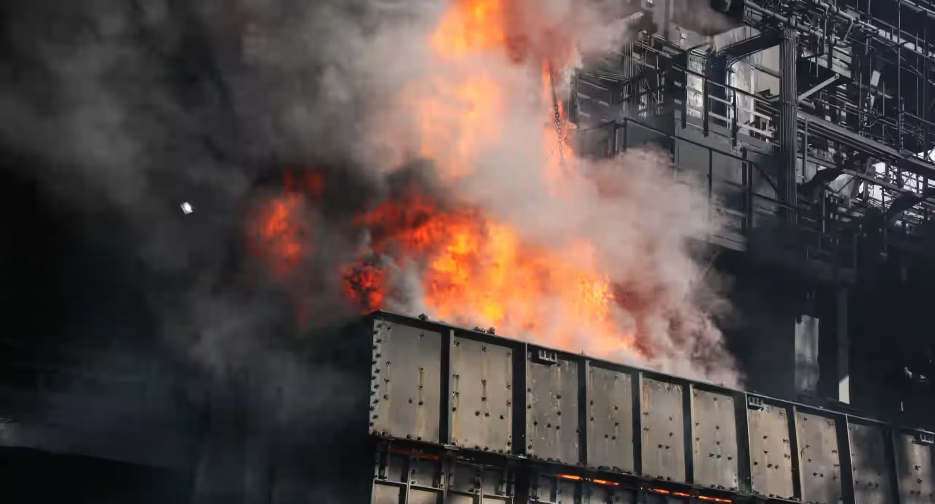
Coke oven gas (COG), a by-product of coal carbonization in coke ovens, is a valuable yet challenging fuel that must be cooled, cleaned, and reused efficiently. Managing its high temperature, chemical complexity, and condensable tar and ammonia vapors requires robust, high-performance heat exchangers.

Coke oven gas (COG), a by-product of coal carbonization in coke ovens, is a valuable yet challenging fuel that must be cooled, cleaned, and reused efficiently. Managing its high temperature, chemical complexity, and condensable tar and ammonia vapors requires robust, high-performance heat exchangers.

COKE OVEN GAS

The main challenges in this sector

COKE OVEN GAS

The main challenges in this sector

High-temperature and high-volume flow

COG exits ovens at over 800°C, demanding exchangers that can handle sustained thermal stress and rapid heat transfer without performance degradation.

Tar and particulate fouling

Condensation of heavy hydrocarbons like tar can clog conventional heat exchangers, reducing efficiency and requiring frequent maintenance or cleaning.

Corrosive compounds in raw gas

Ammonia, hydrogen sulfide, and sulfur compounds within raw COG cause corrosion in standard materials, shortening exchanger life if not properly managed.

Energy recovery needs

Steelmakers seek to recover heat from COG for use in boilers or power generation, requiring reliable thermal exchange even with fluctuating loads.

Icon
0°C
is the gas inlet temperature that can be treated without thermal deformation by
Icon
0%
heat recovery reused in steam generation
Icon
0%
reduction in CO2 emissions when COG heat is reused for steam or preheating

Our involvement in the sector

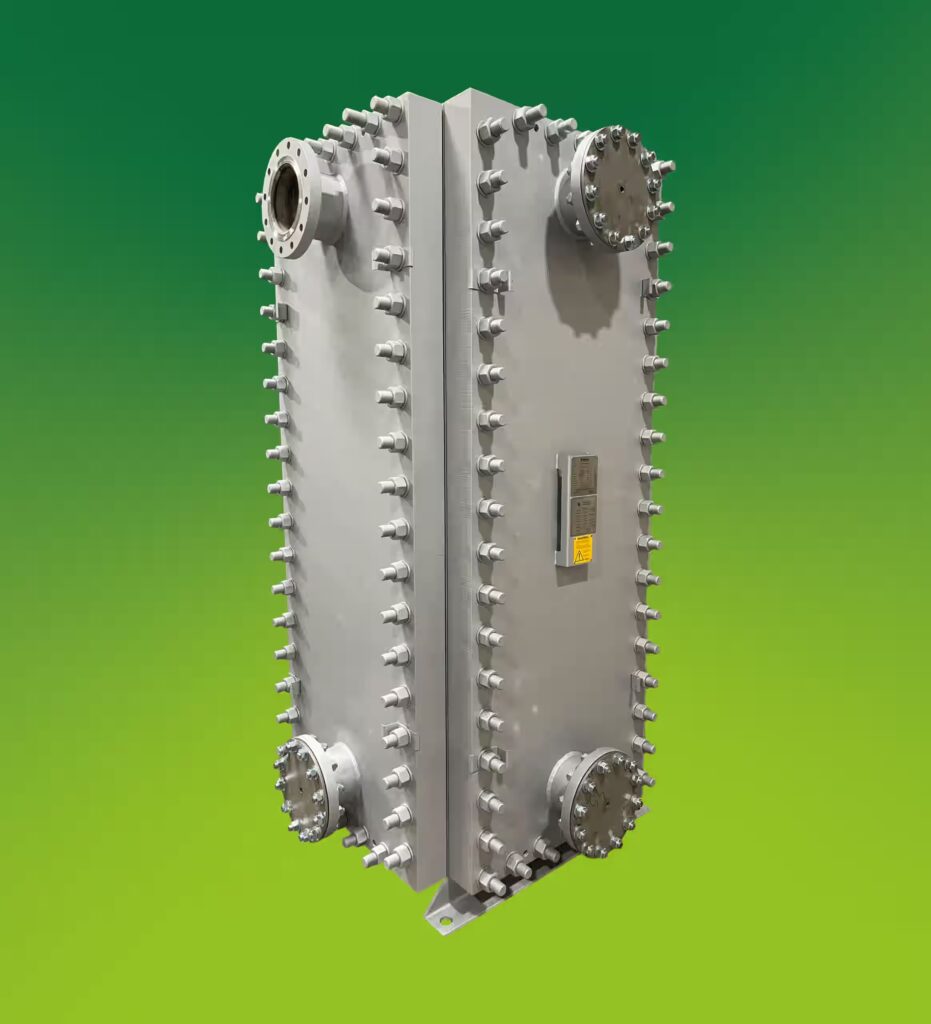
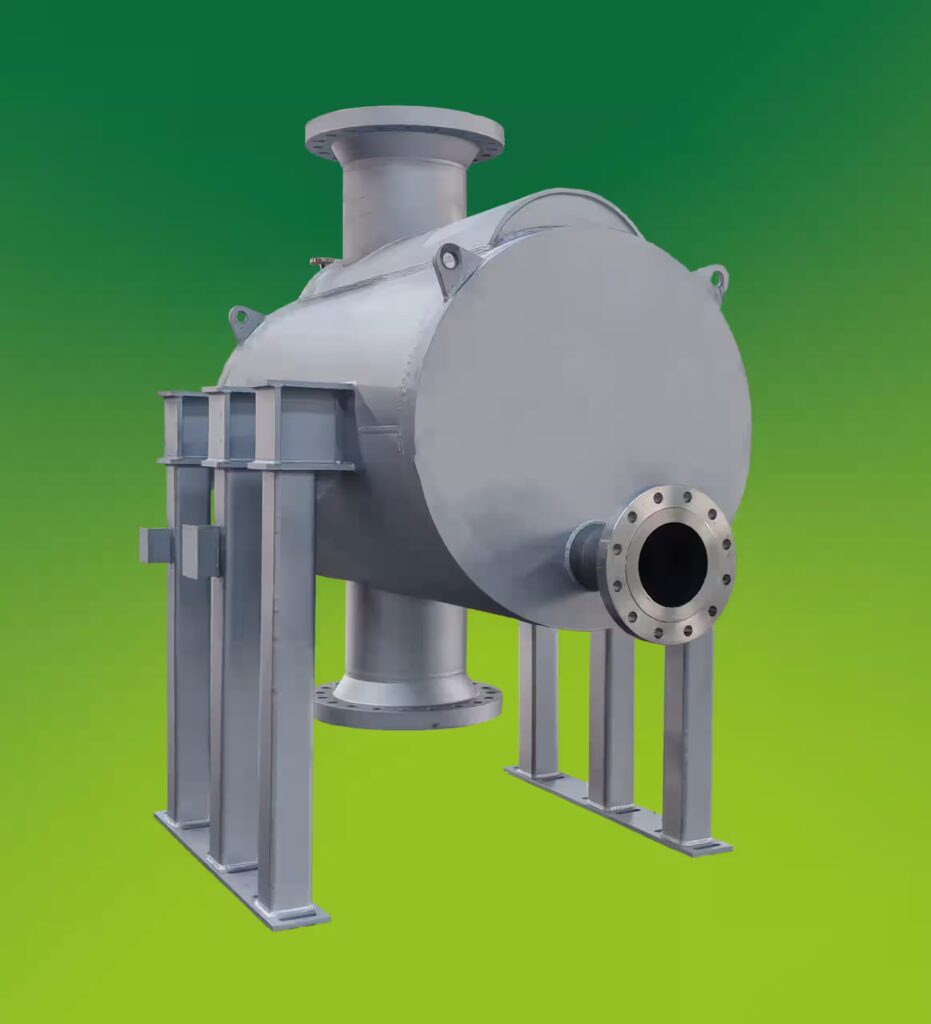
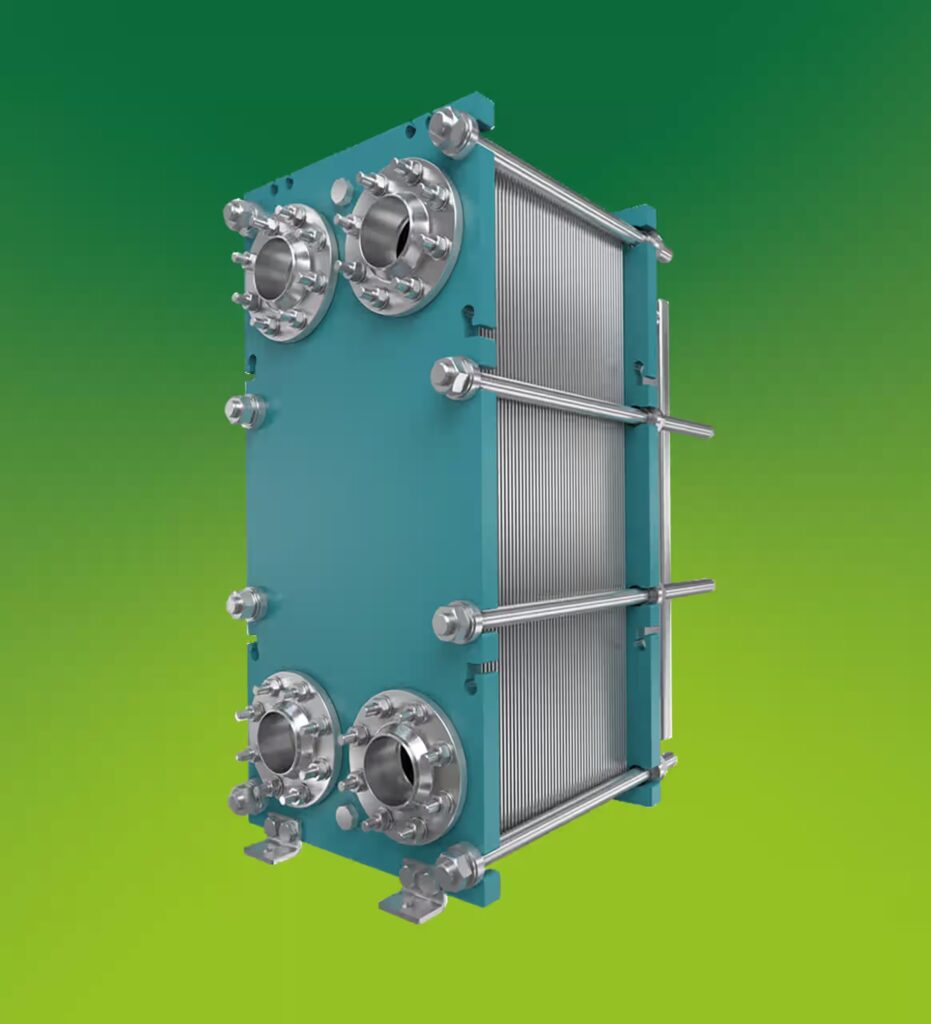
Nexson delivers tailored heat exchanger solutions for COG cooling and recovery, combining robust welded construction, anti-fouling design, and materials engineered for corrosion resistance.

COKE OVEN GAS

Securing energy recovery from the toughest process gas

COKE OVEN GAS

Thermal durability under severe operating conditions

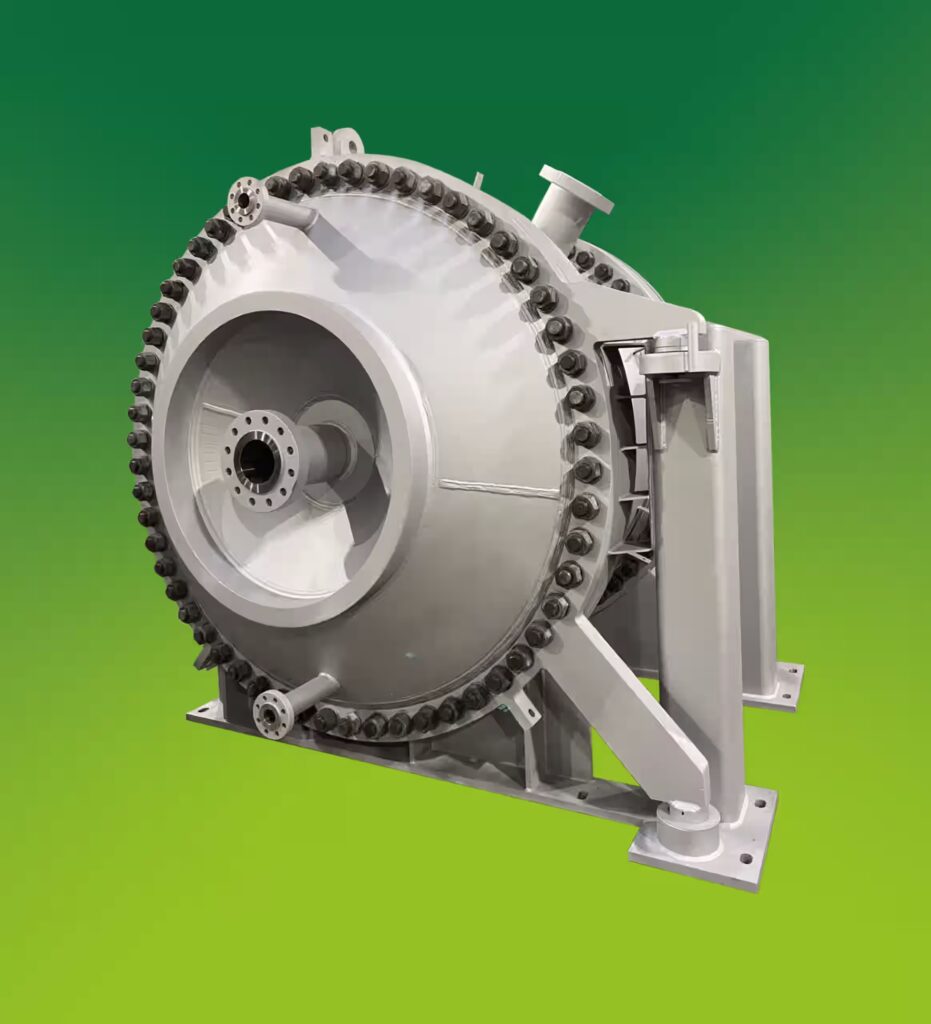
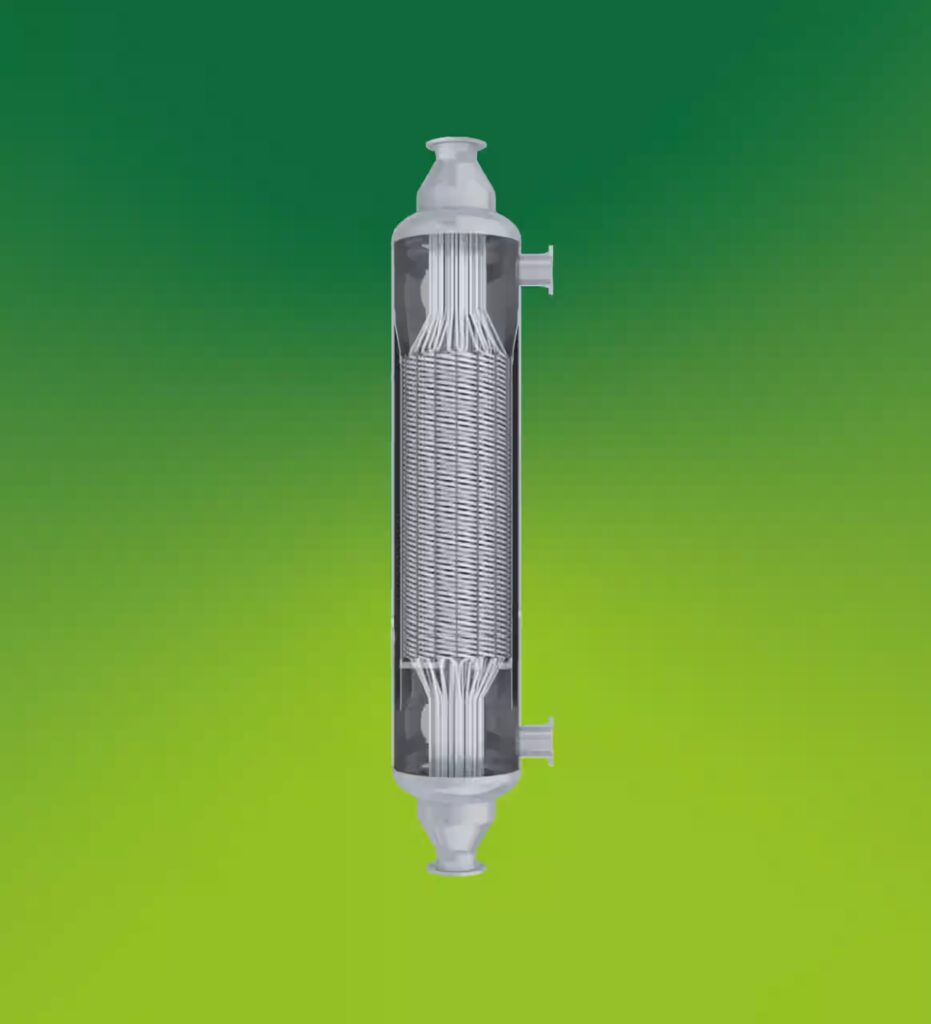
Our heat exchangers are designed to withstand inlet gas temperatures of up to 450°C. They are able to withstand these thermal loads thanks to an all-welded construction that resists expansion and thermal cycling. Spiral heat exchangers are particularly well suited to these conditions, offering both mechanical strength and a compact design that simplifies integration.

Minimized fouling with spiral flow paths

Nexson’s spiral heat exchangers promote continuous, turbulent flow that minimizes tar and particulate build-up. This reduces cleaning intervals and maintains efficiency even in tar-laden streams.

Material resistance to aggressive media

COG typically contains aggressive elements like ammonia and sulfur compounds. Nexson exchangers are available in corrosion-resistant materials such as duplex stainless steels and high-nickel alloys. Spiral models, in particular, have proven highly effective in handling chemically aggressive environments, offering both reliability and long service life.

Supporting energy recovery and heat reuse

Nexson heat exchangers enable efficient heat recovery from hot COG, contributing to steam production, combustion air preheating, or electricity generation. This recovered energy improves overall plant performance and supports sustainability goals.

COKE OVEN GAS

Securing energy recovery from the toughest process gas

COKE OVEN GAS

Thermal durability under severe operating conditions

Our heat exchangers are designed to withstand inlet gas temperatures of up to 450°C. They are able to withstand these thermal loads thanks to an all-welded construction that resists expansion and thermal cycling. Spiral heat exchangers are particularly well suited to these conditions, offering both mechanical strength and a compact design that simplifies integration.

Minimized fouling with spiral flow paths

Nexson’s spiral heat exchangers promote continuous, turbulent flow that minimizes tar and particulate build-up. This reduces cleaning intervals and maintains efficiency even in tar-laden streams.

Material resistance to aggressive media

COG typically contains aggressive elements like ammonia and sulfur compounds. Nexson exchangers are available in corrosion-resistant materials such as duplex stainless steels and high-nickel alloys. Spiral models, in particular, have proven highly effective in handling chemically aggressive environments, offering both reliability and long service life.

Supporting energy recovery and heat reuse

Nexson heat exchangers enable efficient heat recovery from hot COG, contributing to steam production, combustion air preheating, or electricity generation. This recovered energy improves overall plant performance and supports sustainability goals.

APPLICATIONS