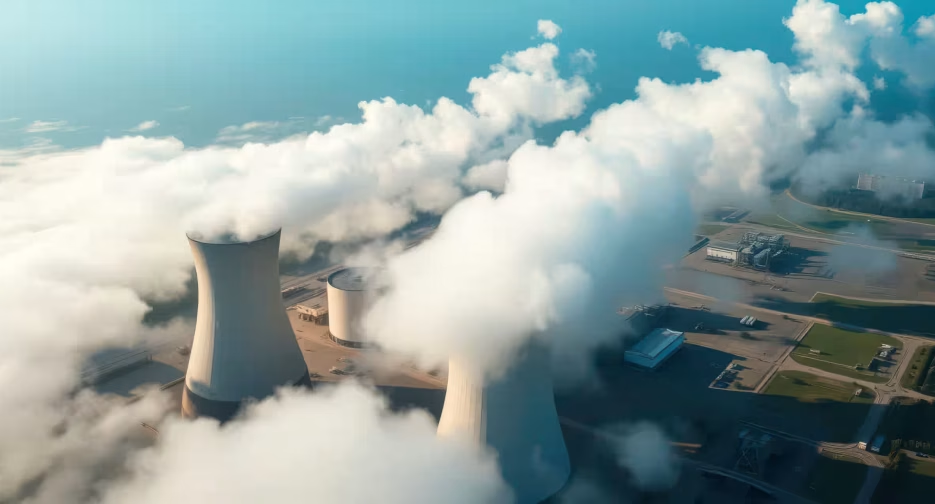
Nuclear power generation demands uncompromising reliability, safety, and thermal precision. Heat exchangers in this field must handle radioactive fluids, high pressures, and stringent regulatory standards, often with long service intervals and redundant safety systems.
Nuclear power generation demands uncompromising reliability, safety, and thermal precision. Heat exchangers in this field must handle radioactive fluids, high pressures, and stringent regulatory standards, often with long service intervals and redundant safety systems.
NUCLEAR POWER PLANTS
The main challenges in this sector
NUCLEAR POWER PLANTS
The main challenges in this sector
Radiation-resistant construction
Nuclear environments require materials capable of withstanding long-term exposure to radiation and chemically aggressive coolants. Both PCHEs and welded plate exchangers are available in high-grade alloys.
Extreme pressure and temperature tolerance
Primary and secondary circuits operate under severe mechanical and thermal stress.
Safety and regulatory compliance
Equipment must comply with nuclear certifications (ASME III, RCC-M, etc.), ensuring operational security.
Redundant cooling for core and auxiliary systems
Nuclear plants demand fail-safe thermal systems. Whether in reactor core cooling, decay heat removal, or auxiliary loops, PCHEs and welded units offer redundant, compact, and high-integrity solutions essential for continuous, secure operation.
0%
energy recovery efficiency in secondary cooling circuits
0%
welded leak-proof design ideal for radioactive fluids
0%
lower pressure drop with spiral technology
NUCLEAR POWER PLANTS
Our involvement in the sector
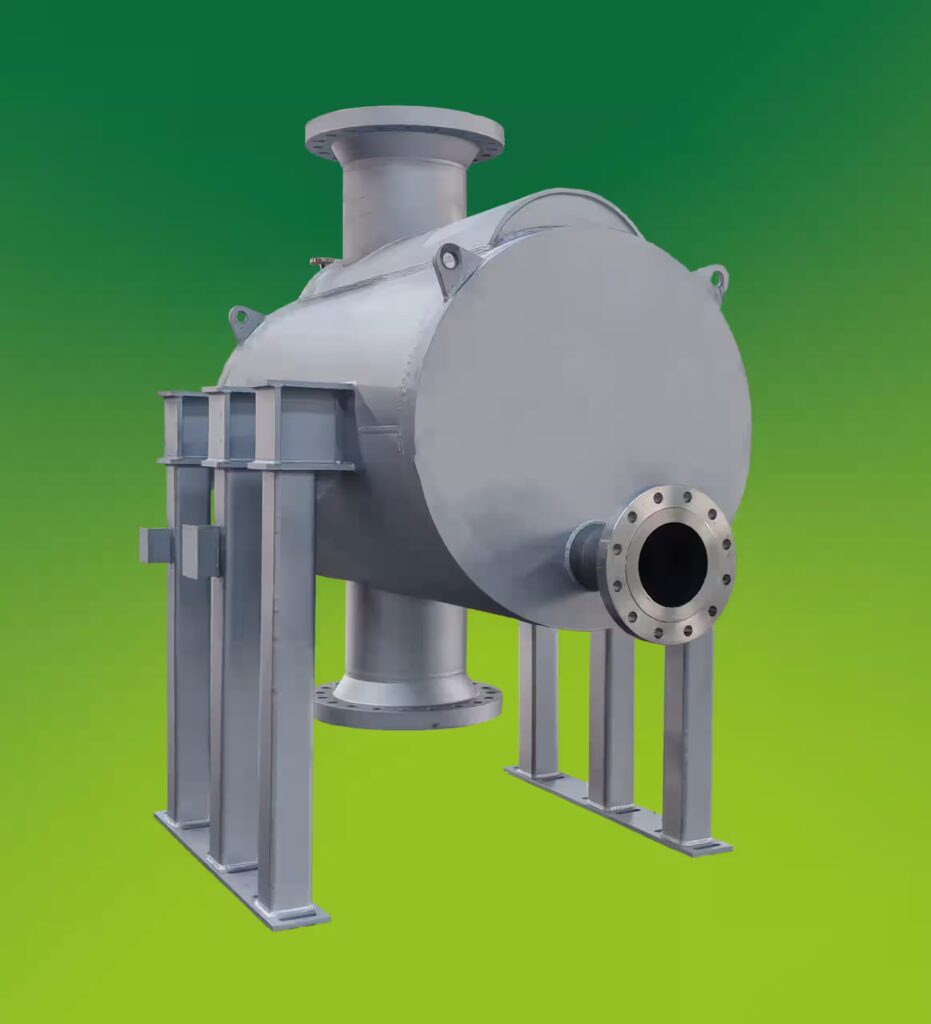
Nexson provides custom-engineered PCHE and welded heat exchangers for nuclear applications ensuring compactness, resistance, and long-term stability in the most demanding environments.
NUCLEAR POWER PLANTS
Thermal safety and performance for the world’s most critical energy systems
Leak-proof, high-pressure operation
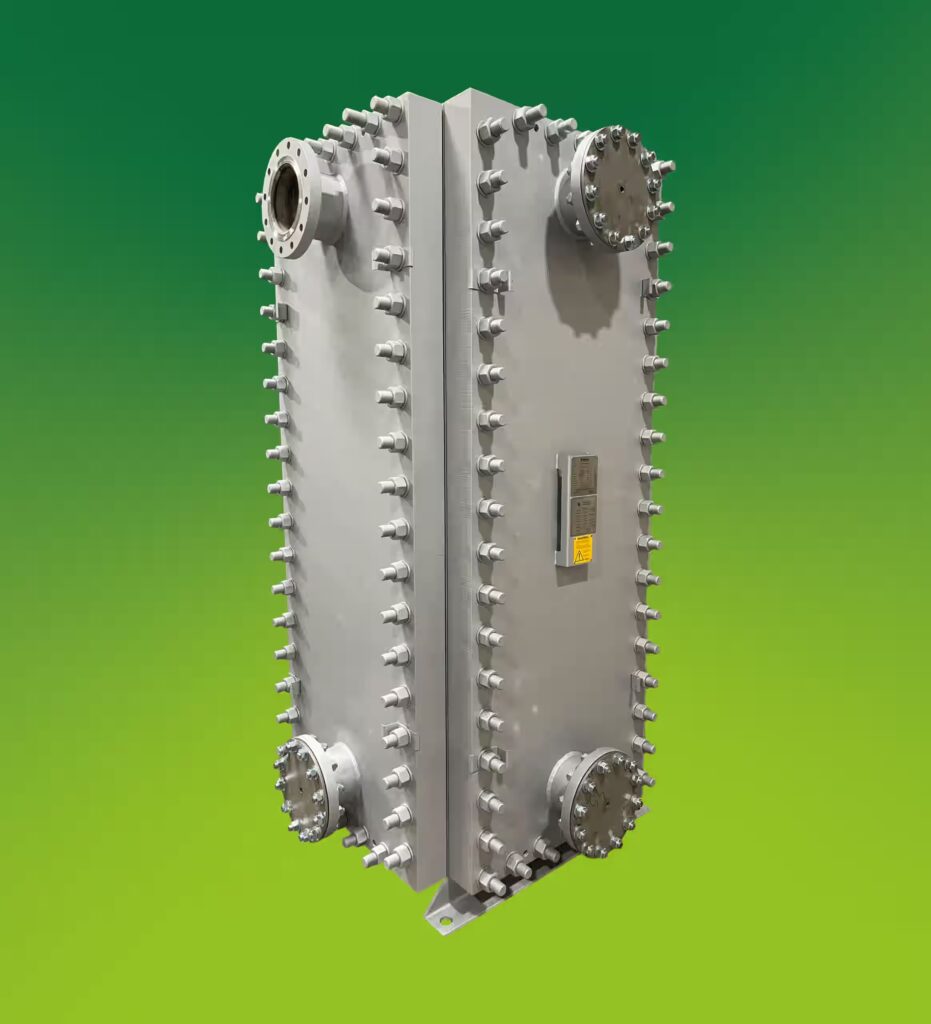
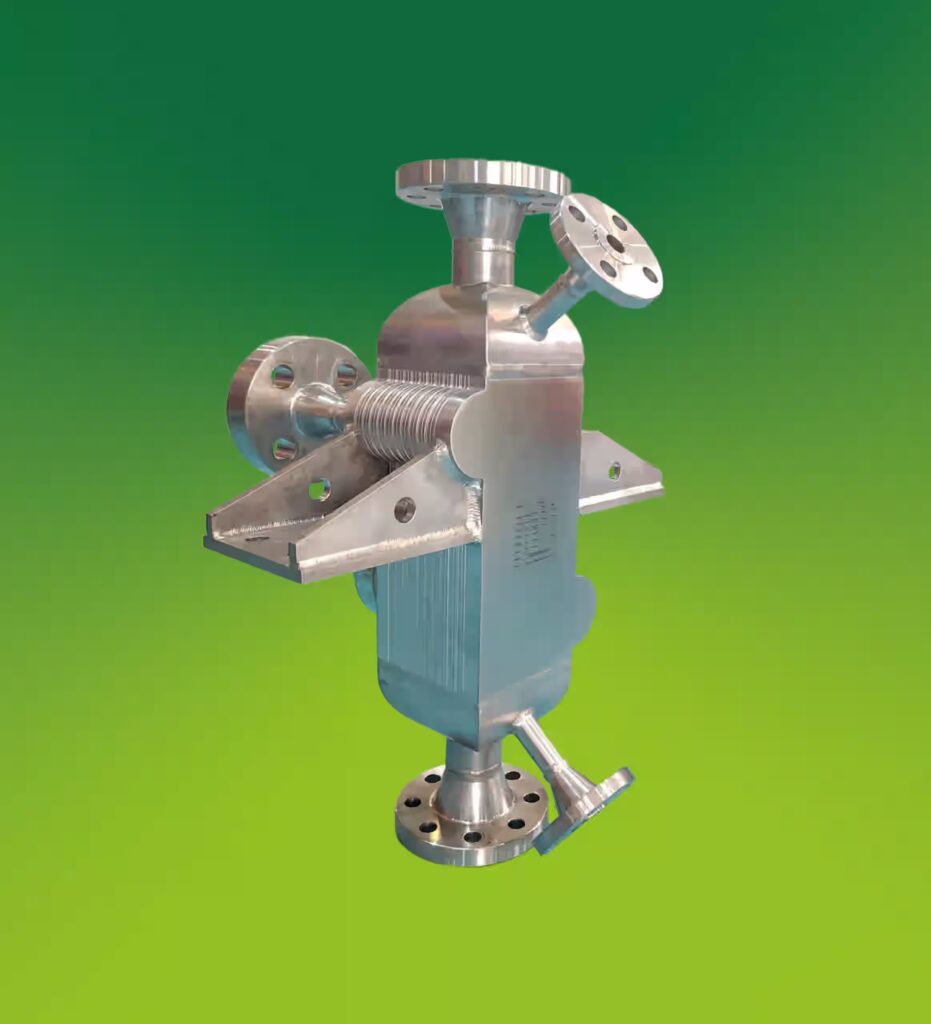
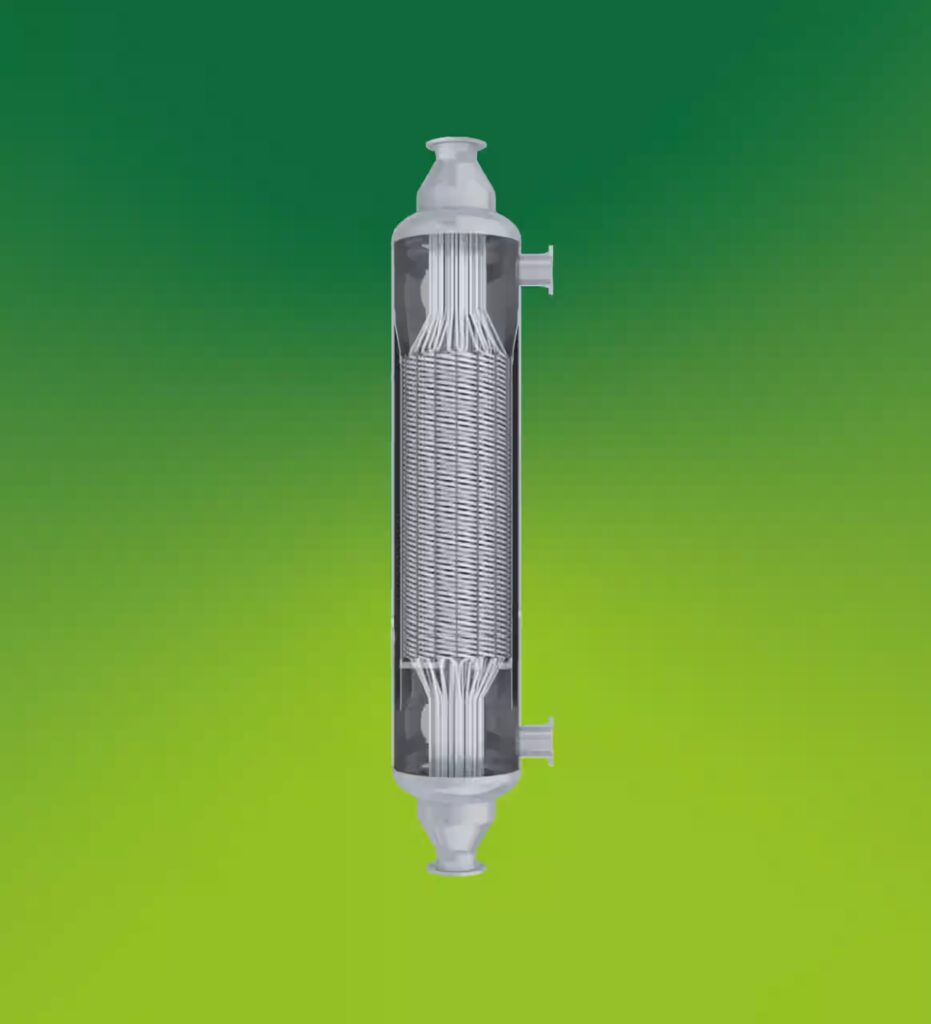
PCHEs, made through diffusion bonding, eliminate gaskets and weld seams in critical zones, making them ideal for high-pressure, radioactive, and high-temperature environments. Welded plate exchangers complement these by offering leak-free performance in auxiliary and balance-of-plant systems.
Corrosion-resistant materials for long service life
Constructed with Duplex, 316L, or nickel-based alloys, our heat exchangers withstand harsh coolant chemistries (e.g., borated water, ammonia, liquid sodium) and resist degradation from radiation.
Compact footprint for confined nuclear buildings
The compactness of PCHEs and welded exchangers enables high power density in constrained reactor buildings or containment areas, making them ideal for retrofit, modular, and SMR configurations.
Service-friendly and robust configurations
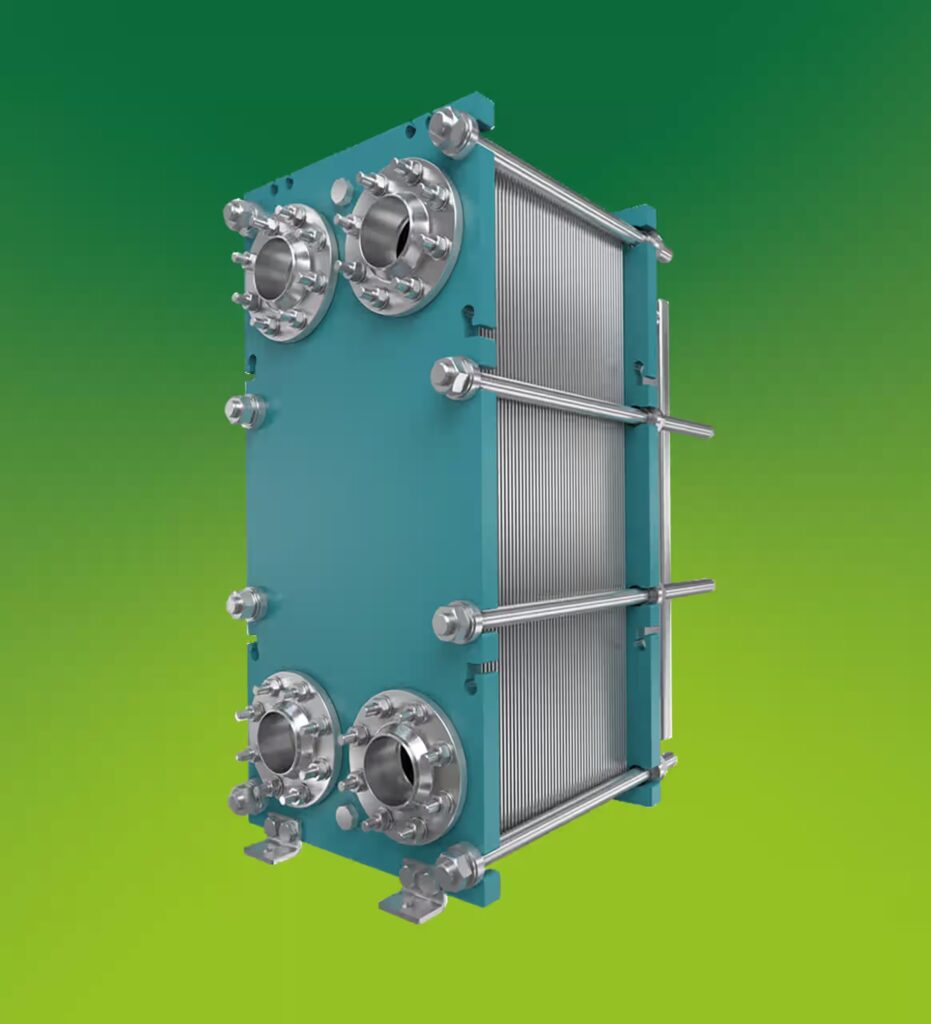
While PCHEs are near-maintenance-free due to their solid structure, our welded units offer modular construction for easier inspection and mechanical cleaning, maximizing operational lifespan.
NUCLEAR POWER PLANTS
Thermal safety and performance for the world’s most critical energy systems
Leak-proof, high-pressure operation
PCHEs, made through diffusion bonding, eliminate gaskets and weld seams in critical zones, making them ideal for high-pressure, radioactive, and high-temperature environments. Welded plate exchangers complement these by offering leak-free performance in auxiliary and balance-of-plant systems.
Corrosion-resistant materials for long service life
Constructed with Duplex, 316L, or nickel-based alloys, our heat exchangers withstand harsh coolant chemistries (e.g., borated water, ammonia, liquid sodium) and resist degradation from radiation.
Compact footprint for confined nuclear buildings
The compactness of PCHEs and welded exchangers enables high power density in constrained reactor buildings or containment areas, making them ideal for retrofit, modular, and SMR configurations.
Service-friendly and robust configurations
While PCHEs are near-maintenance-free due to their solid structure, our welded units offer modular construction for easier inspection and mechanical cleaning, maximizing operational lifespan.
To provide the best experiences, we use technologies like cookies to store and/or access device information. Consenting to these technologies will allow us to process data such as browsing behavior or unique IDs on this site. Not consenting or withdrawing consent, may adversely affect certain features and functions.
Functional
Always active
The technical storage or access is strictly necessary for the legitimate purpose of enabling the use of a specific service explicitly requested by the subscriber or user, or for the sole purpose of carrying out the transmission of a communication over an electronic communications network.
Preferences
The technical storage or access is necessary for the legitimate purpose of storing preferences that are not requested by the subscriber or user.
Statistics
Le stockage ou l’accès technique qui est utilisé exclusivement à des fins statistiques.The technical storage or access that is used exclusively for anonymous statistical purposes. Without a subpoena, voluntary compliance on the part of your Internet Service Provider, or additional records from a third party, information stored or retrieved for this purpose alone cannot usually be used to identify you.
Marketing
The technical storage or access is required to create user profiles to send advertising, or to track the user on a website or across several websites for similar marketing purposes.