BIOETHANOL
The production of bioethanol involves energy-intensive thermal processes such as fermentation heating, distillation, and stillage evaporation. Each step requires precise heat exchange and materials that can resist fouling and organic corrosion, all while optimizing energy recovery to maintain profitability in a margin-sensitive industry.
The main challenges in this sector
High fouling potential from organic feedstocks
Fermentation broths and stillage contain suspended solids, fibers, and sugars that increase fouling risk. Exchangers must be easy to clean and resistant to deposits.
Thermal stability for distillation and evaporation
The distillation and rectification of ethanol demand stable and efficient heat transfer under elevated temperatures, often in continuous operation.
Energy recovery from hot effluents
Large volumes of hot stillage and vapors provide opportunities for heat recovery. Efficient thermal integration reduces steam consumption and operational costs.
Corrosion from acidic compounds
Acids generated during fermentation and cleaning-in-place (CIP) cycles can degrade standard materials. Chemical resistance is key to ensuring long equipment life.
Our involvement in the sector
Nexson delivers durable and energy-efficient thermal solutions tailored to the bioethanol industry, supporting cleaner, more sustainable fuel production.
Boosting energy efficiency in sustainable ethanol production
Welded construction for leak-free performance
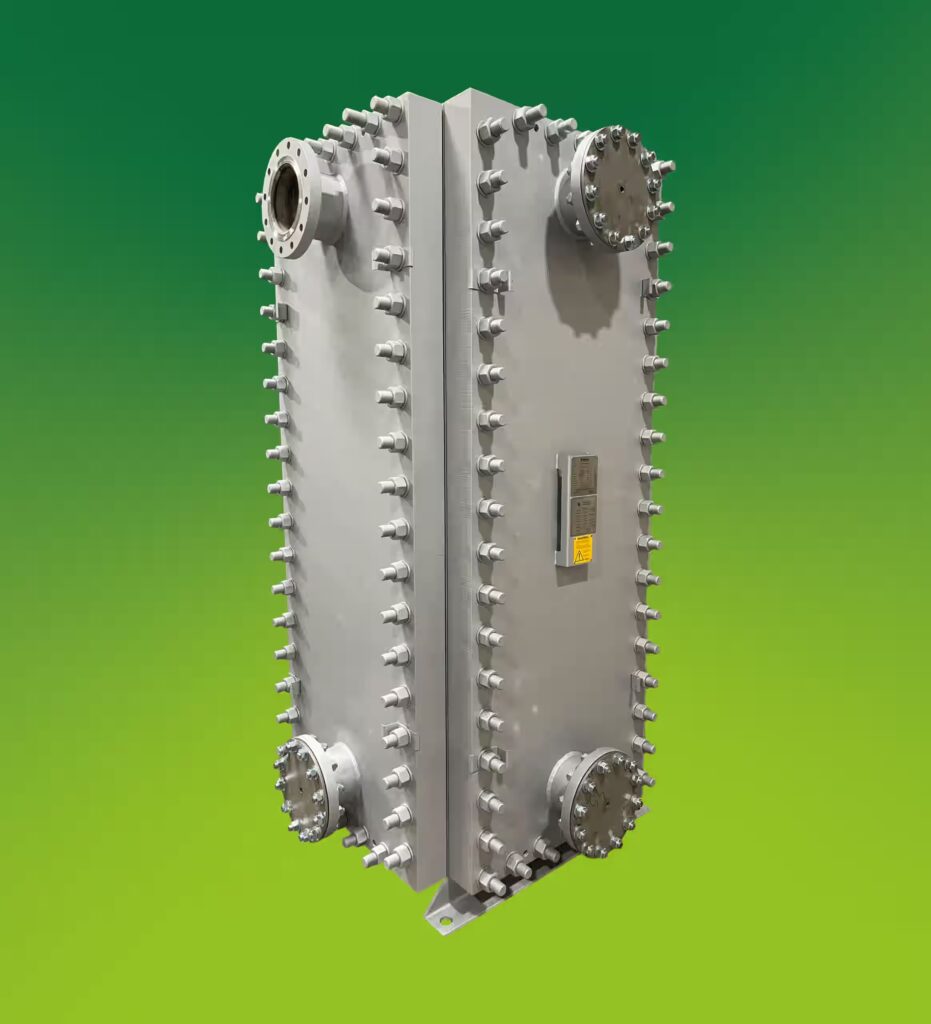
In ethanol production plants, where hygiene and safety are key, our fully welded heat exchangers ensure 100% leak-tightness. No gaskets means no risk of cross-contamination or emissions, ideal for food-grade and industrial ethanol alike.
Optimized cleaning and anti-fouling designs
Our corrugated plate geometry and fully accessible units are built to handle solids-rich and sticky fluids. This design significantly reduces cleaning frequency and ensures stable long-term performance even with high-fouling fermentation streams.
Energy recovery in distillation and evaporation
Nexson exchangers recover thermal energy from condensers and stillage, cutting down on external steam demand. This improves overall energy efficiency and lowers the carbon intensity of ethanol production.
Material versatility for organic corrosives
Whether dealing with acetic acid from fermentation or harsh chemicals, Nexson offers tailored materials such as 316L stainless steel, titanium, and duplex grades to withstand aggressive organic and chemical exposure.
Boosting energy efficiency in sustainable ethanol production
Welded construction for leak-free performance
In ethanol production plants, where hygiene and safety are key, our fully welded heat exchangers ensure 100% leak-tightness. No gaskets means no risk of cross-contamination or emissions, ideal for food-grade and industrial ethanol alike.
Optimized cleaning and anti-fouling designs
Our corrugated plate geometry and fully accessible units are built to handle solids-rich and sticky fluids. This design significantly reduces cleaning frequency and ensures stable long-term performance even with high-fouling fermentation streams.
Energy recovery in distillation and evaporation
Nexson exchangers recover thermal energy from condensers and stillage, cutting down on external steam demand. This improves overall energy efficiency and lowers the carbon intensity of ethanol production.
Material versatility for organic corrosives
Whether dealing with acetic acid from fermentation or harsh CIP chemicals, Nexson offers tailored materials such as 316L stainless steel, titanium, and duplex grades to withstand aggressive organic and chemical exposure.