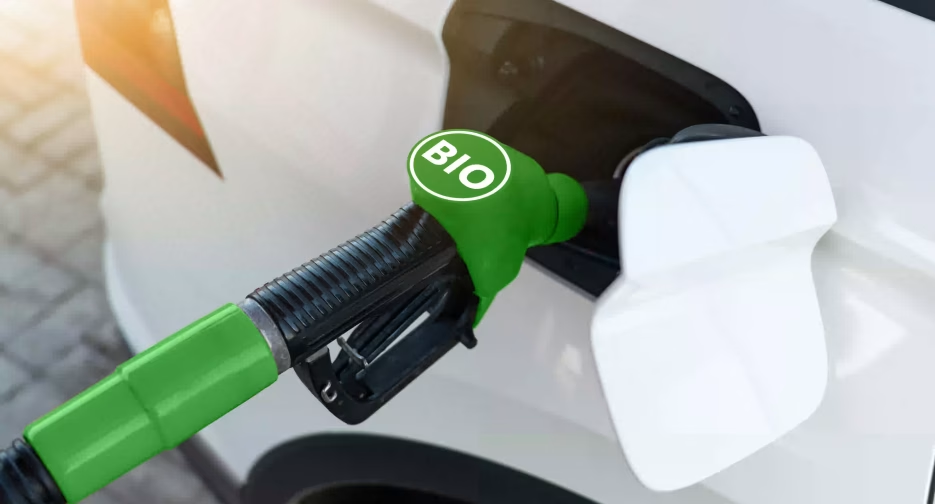
BIODIESEL
Biodiesel production involves complex liquid-phase reactions and multi-step thermal treatments, from feedstock pre-treatment to methanol recovery. Efficient and durable heat exchangers are essential to optimize process efficiency, reduce fouling, and manage aggressive chemical environments.
The main challenges in this sector
Highly corrosive fluids
Raw vegetable oils, animal fats, methanol, and caustic catalysts create a corrosive environment. Materials must be chosen to withstand both acids and bases.
High fouling potential
Impurities like gums, soaps, and free fatty acids can deposit on heat transfer surfaces, leading to performance degradation. Exchangers must be resistant and easy to maintain.
Thermal integration for methanol recovery
Recovering heat from vapor streams is key to reducing the energy demand of distillation and methanol stripping stages.
Continuous 24/7 operation
Biodiesel plants often run non-stop. Equipment must offer high reliability with minimal downtime for cleaning or repair.
Our involvement in the sector
Nexson delivers thermal technologies adapted to the specific requirements of biodiesel, from feedstock heating to final product purification.
Efficient thermal design for clean biodiesel transformation
Welded construction for leak-free reliability
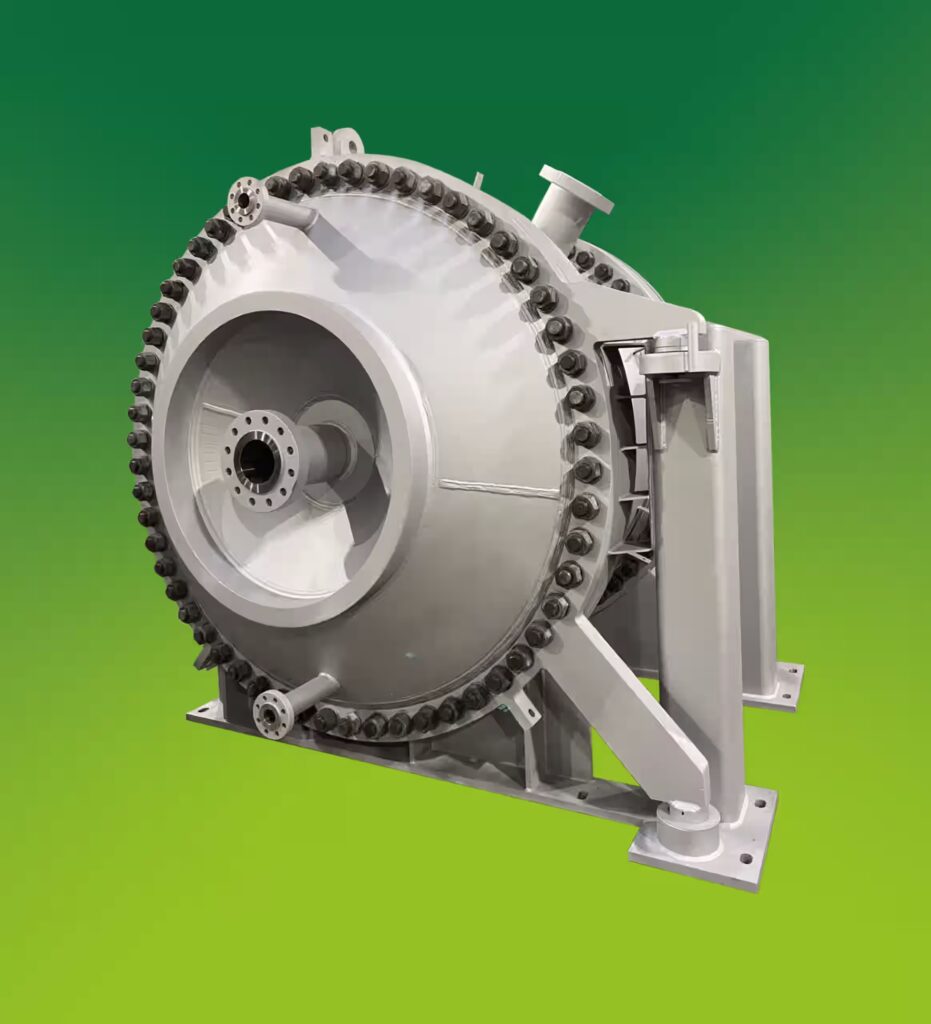
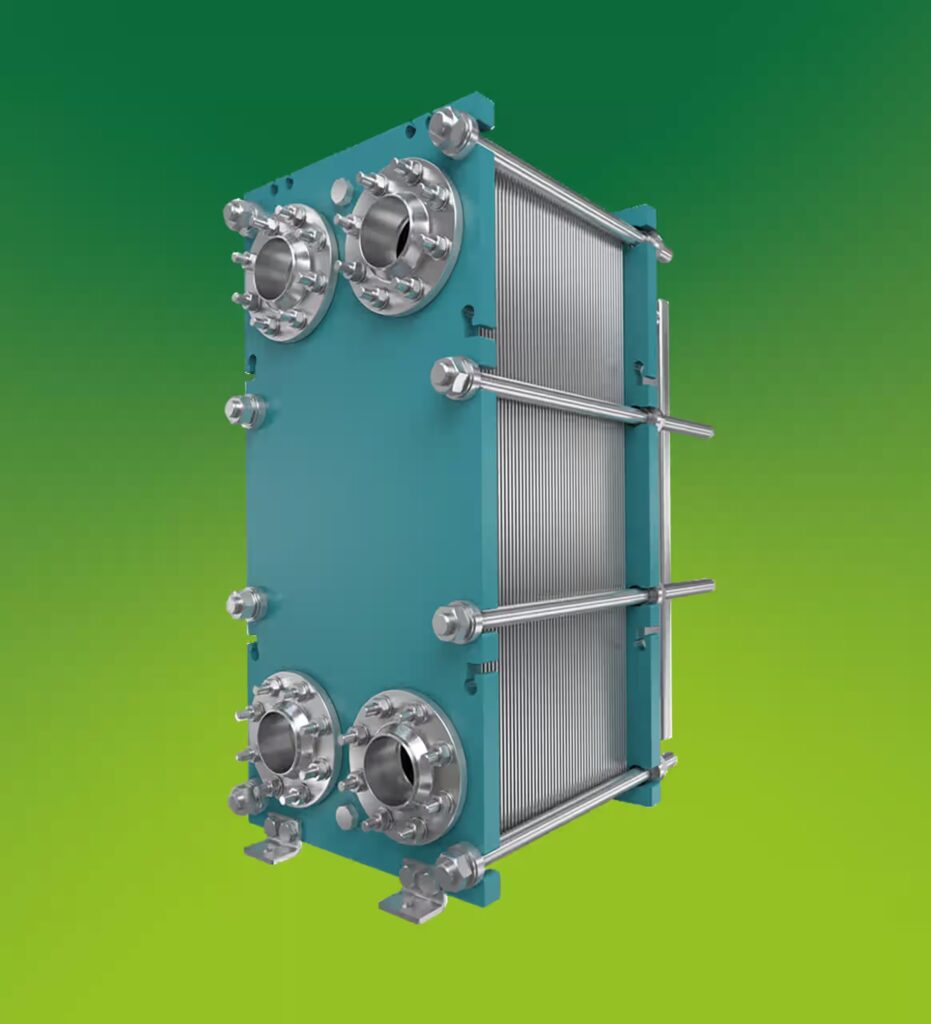
To ensure the integrity of reactions and prevent emissions of methanol and volatile organics, Nexson’s welded heat exchangers offer 100% leak-tight operation, with zero gasket failure risk.
High resistance to fouling and chemical stress
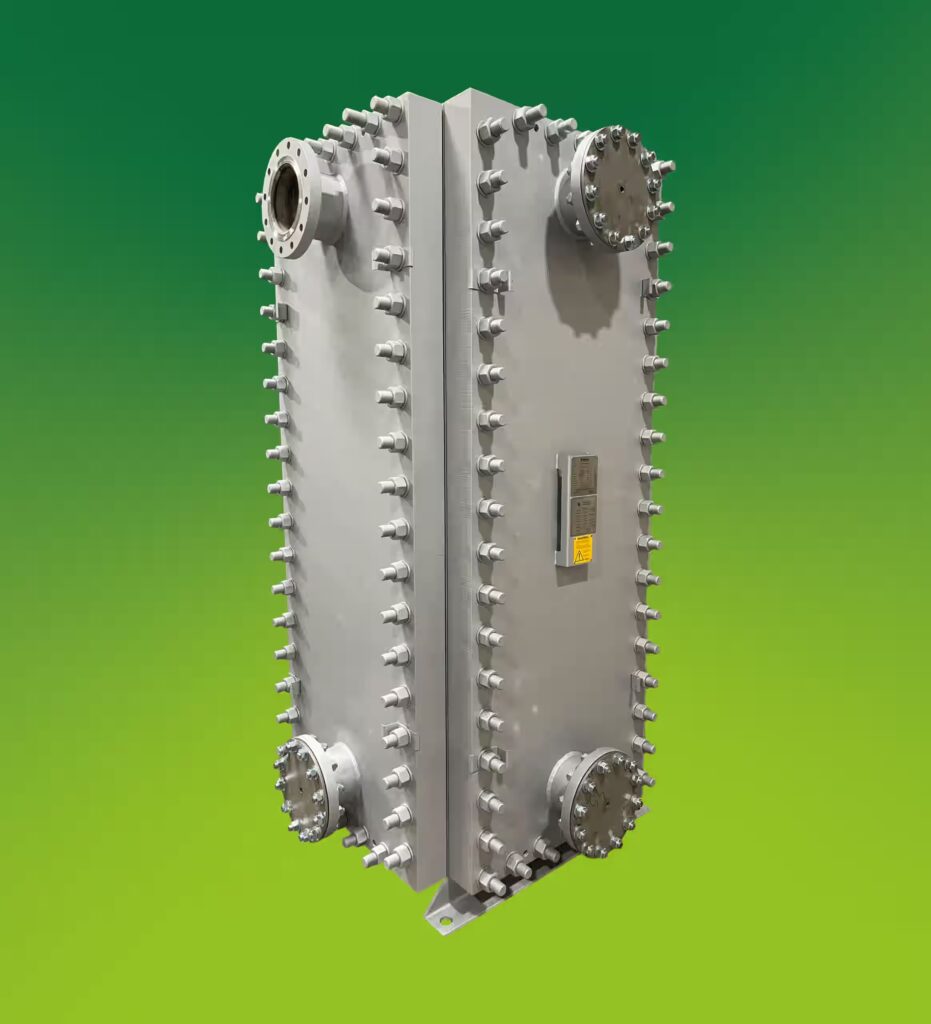
The compact, corrugated plate design minimizes fouling even in phases rich in soap or wax. This ensures efficient thermal transfer and reduces cleaning frequency, even with feedstocks like used cooking oils.
Thermal optimization in separation and recovery
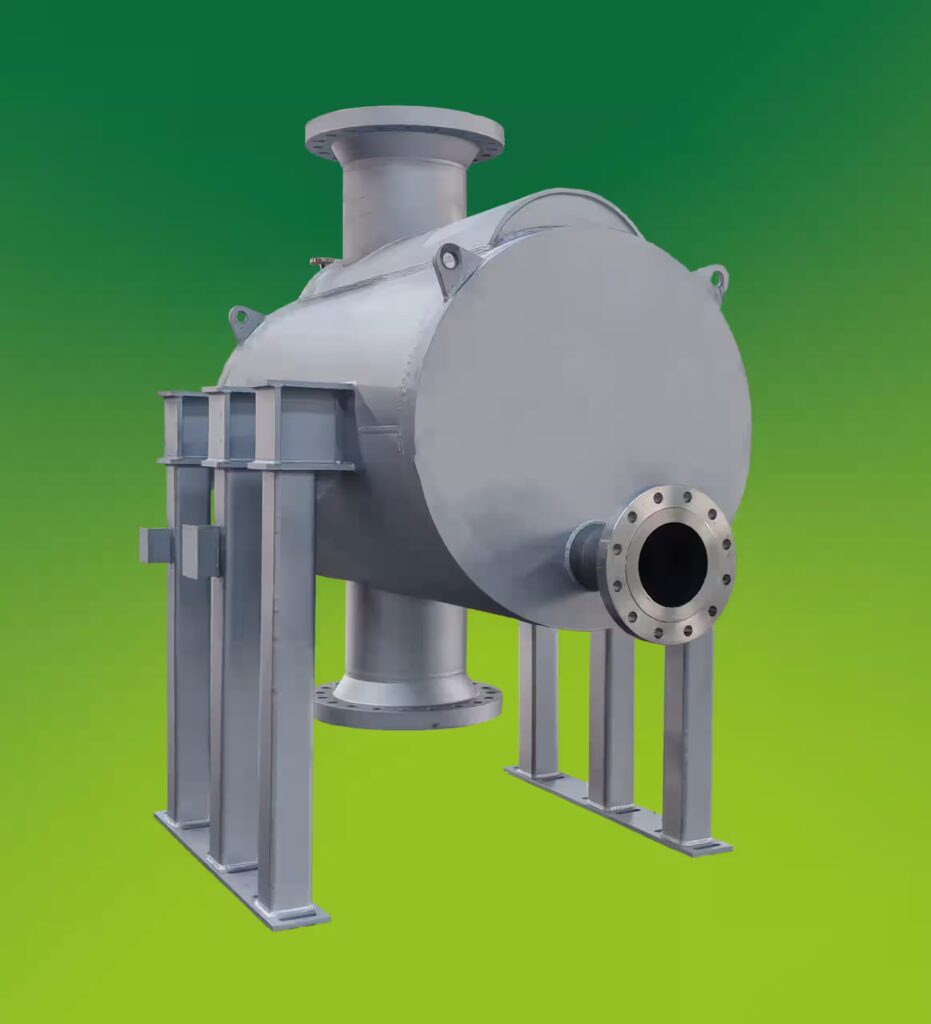
Nexson exchangers play a key role in heating feedstocks, cooling esters, and recovering heat from methanol stripping. This contributes directly to lowering energy use and improving process economics.
Materials for acid-base compatibility
Nexson customizes materials like 316L stainless steel, duplex, and Hastelloy® to match aggressive chemical exposure during transesterification and CIP cycles.
Efficient thermal design for clean biodiesel transformation
Welded construction for leak-free reliability
To ensure the integrity of reactions and prevent emissions of methanol and volatile organics, Nexson’s welded heat exchangers offer 100% leak-tight operation, with zero gasket failure risk.
High resistance to fouling and chemical stress
The compact, corrugated plate design minimizes fouling even in phases rich in soap or wax. This ensures efficient thermal transfer and reduces cleaning frequency, even with feedstocks like used cooking oils.
Thermal optimization in separation and recovery
Nexson exchangers play a key role in heating feedstocks, cooling esters, and recovering heat from methanol stripping. This contributes directly to lowering energy use and improving process economics.
Materials for acid-base compatibility
Nexson customizes materials like 316L stainless steel, duplex, and Hastelloy® to match aggressive chemical exposure during transesterification and CIP cycles.